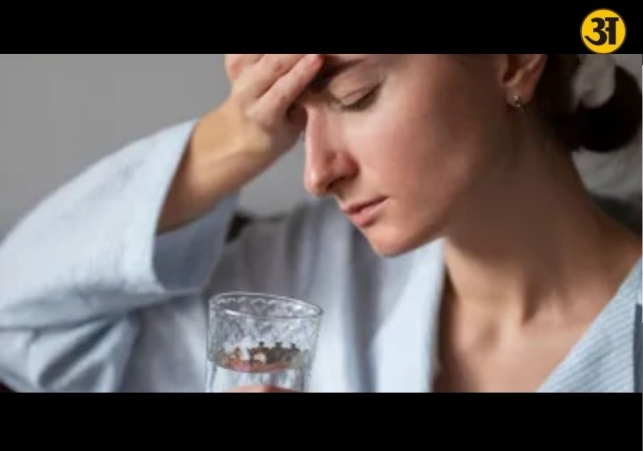
How a quick skin test can detect dehydration
Dehydration check in 5 seconds: Simple skin test and warning signs you should not ignore
Dehydration is a common problem that many people do not recognise early. It does not always show strong symptoms at the beginning. Instead, it often appears through small signs like tiredness, headaches, or feeling low on energy during the day. Because these signs are easy to ignore, dehydration can go unnoticed for a long time.
Doctors say that by the time you feel very thirsty, your body may already be slightly dehydrated. This is why it is important to notice early signals and take action quickly. Recently, a simple 5-second test has gained attention as a quick way to check hydration levels at home.
This test, often called the skin pinch test, is easy to perform and does not require any equipment. It can give a basic idea of whether your body has enough fluids or not.
How the 5 second skin test works
The test is based on a concept called Skin turgor. Skin turgor refers to how quickly your skin returns to its normal shape after being pinched. It is directly linked to hydration levels in the body.
To perform the test, gently pinch the skin on the back of your hand using your fingers. Hold it for a second and then release it. If your body is well hydrated, the skin will return to its normal position almost immediately.
However, if the skin takes a few seconds to go back or looks slightly raised, it may be a sign of dehydration. This delayed response happens because the body does not have enough fluid to maintain proper skin elasticity.
A protein called elastin plays an important role in this process. Elastin helps the skin bounce back into place. When the body loses fluids, the skin becomes less elastic, and its ability to return quickly is affected.
This simple test is useful because it provides a quick indication of hydration without needing any medical tools. It is especially helpful in situations where people may not realise they are dehydrated.
However, doctors also warn that this test is not completely accurate in all cases. For example, older adults naturally have less elastic skin. Even if they are properly hydrated, their skin may not bounce back as quickly. Therefore, the test should only be used as a basic guide and not as a final diagnosis.
Other signs of dehydration to watch
While the skin test is helpful, it is important to look at other symptoms as well. Dehydration usually shows multiple signs, and recognising them together gives a clearer picture.
One of the most common signs is a dry mouth or feeling of thirst. This is the body’s way of telling you that it needs more fluids. However, relying only on thirst is not always enough, as dehydration may already be present by then.
Another important sign is fatigue. When the body does not have enough water, it struggles to perform basic functions efficiently. This can lead to constant tiredness and lack of energy.
Dizziness is also a warning sign. Low fluid levels can affect blood circulation and lead to lightheadedness, especially when standing up quickly.
Urine is another key indicator. Dark yellow urine or reduced urine output often means the body is not getting enough water. In contrast, light-coloured urine usually indicates proper hydration.
Headaches are also linked to dehydration. When the body loses fluids, it can affect the brain temporarily, leading to discomfort or pain.
In more serious cases, dehydration can lead to confusion, rapid heartbeat, or even fainting. These symptoms require immediate attention and medical care.
Doctors suggest that the best way to prevent dehydration is to drink water regularly throughout the day. Waiting until you feel thirsty may not be enough. It is better to maintain a steady intake of fluids.
Apart from water, fluids like coconut water, buttermilk, and fresh juices can also help maintain hydration. Eating fruits and vegetables with high water content, such as watermelon, cucumber, and oranges, is also beneficial.
Weather and lifestyle also play a role. People living in hot climates or those who exercise regularly need more fluids. Similarly, illness, especially fever or vomiting, can increase the risk of dehydration.
In conclusion, dehydration is a silent condition that can affect anyone. The 5-second skin test is a quick and simple way to check hydration levels, but it should be used along with other signs.
Paying attention to your body is the most important step. Small symptoms like tiredness, dry mouth, or dark urine should not be ignored. Taking early action can prevent more serious health problems.
Staying hydrated is one of the easiest ways to maintain good health. Simple habits like drinking enough water, eating hydrating foods, and recognising early signs can make a big difference in your daily well-being.
Related News